
Wildlife at the Darlands
Darlands has a mosaic of habitats, including woodland, grassland, scrub, carr and open water. These sanctuaries provide food and shelter to a rich diversity of species, some of which are well recorded; others less so.
Habitats and Species
The Conservation Trust aim to conduct surveys and consult historic records to inform our approach towards wildlife management. Explore our full image galleries below, featuring contributions from Darlands supporters.
Habitats & Scenery
Explore a collection of images showcasing the stunning scenery, habitats and flora at arounds the Darlands Nature Reserve.
Wildlife
The Darlands Reserve is home to dozens of species, ranging from striking waterfowl to intrepid Muntjacs.
Wildlife Highlights
A number of species have been photographed around the Reserve. This section showcases some great sightings captured from the year 2025 onwards.
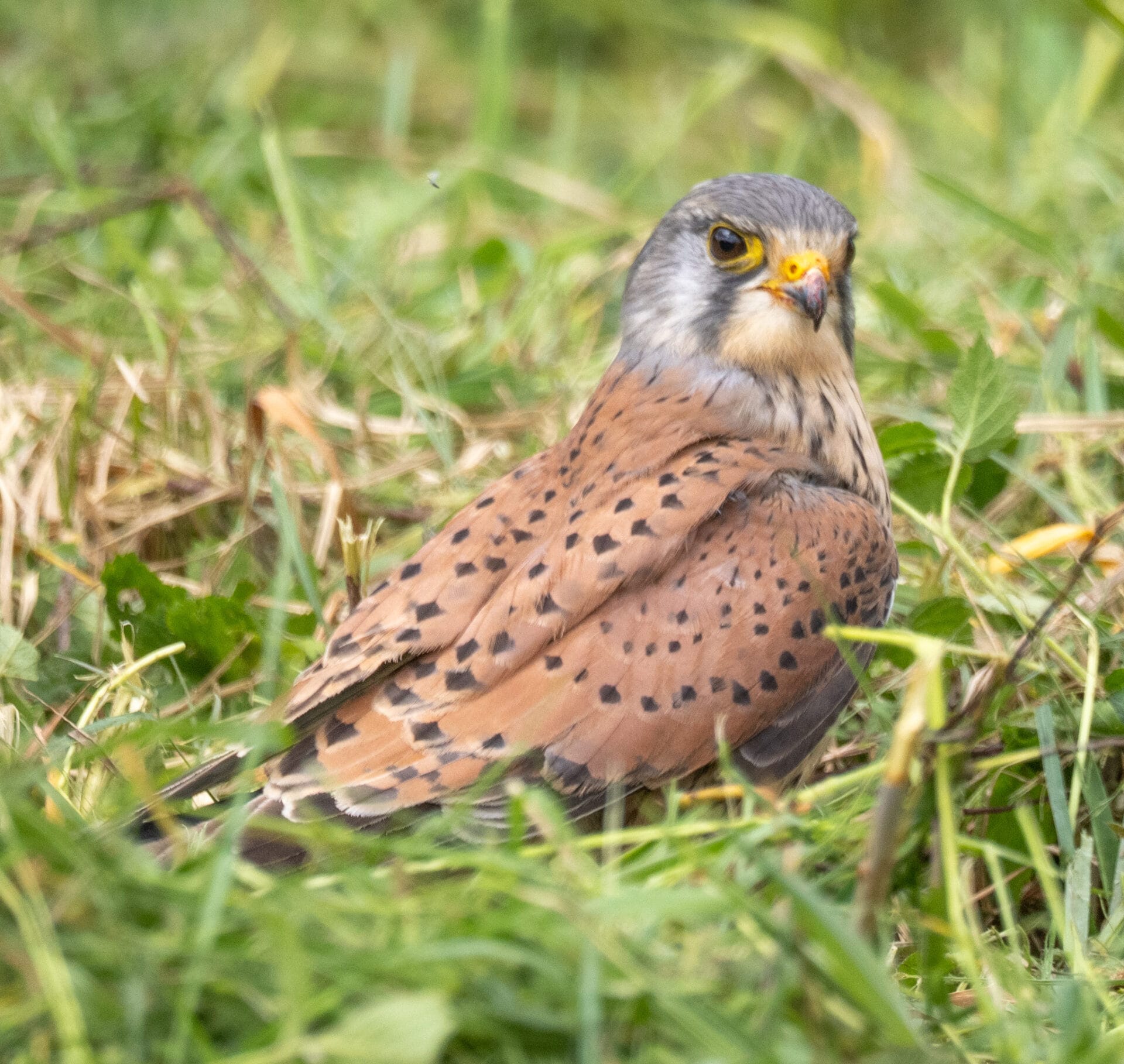
Kestrel
‘Falco tinnunculus’
A striking bird of prey renowned for its expert ability to hover motionless in mid-air while scanning the ground for food. The kestrel is currently Amber-listed as a bird of conservation concern due to a steep population decline in recent years.
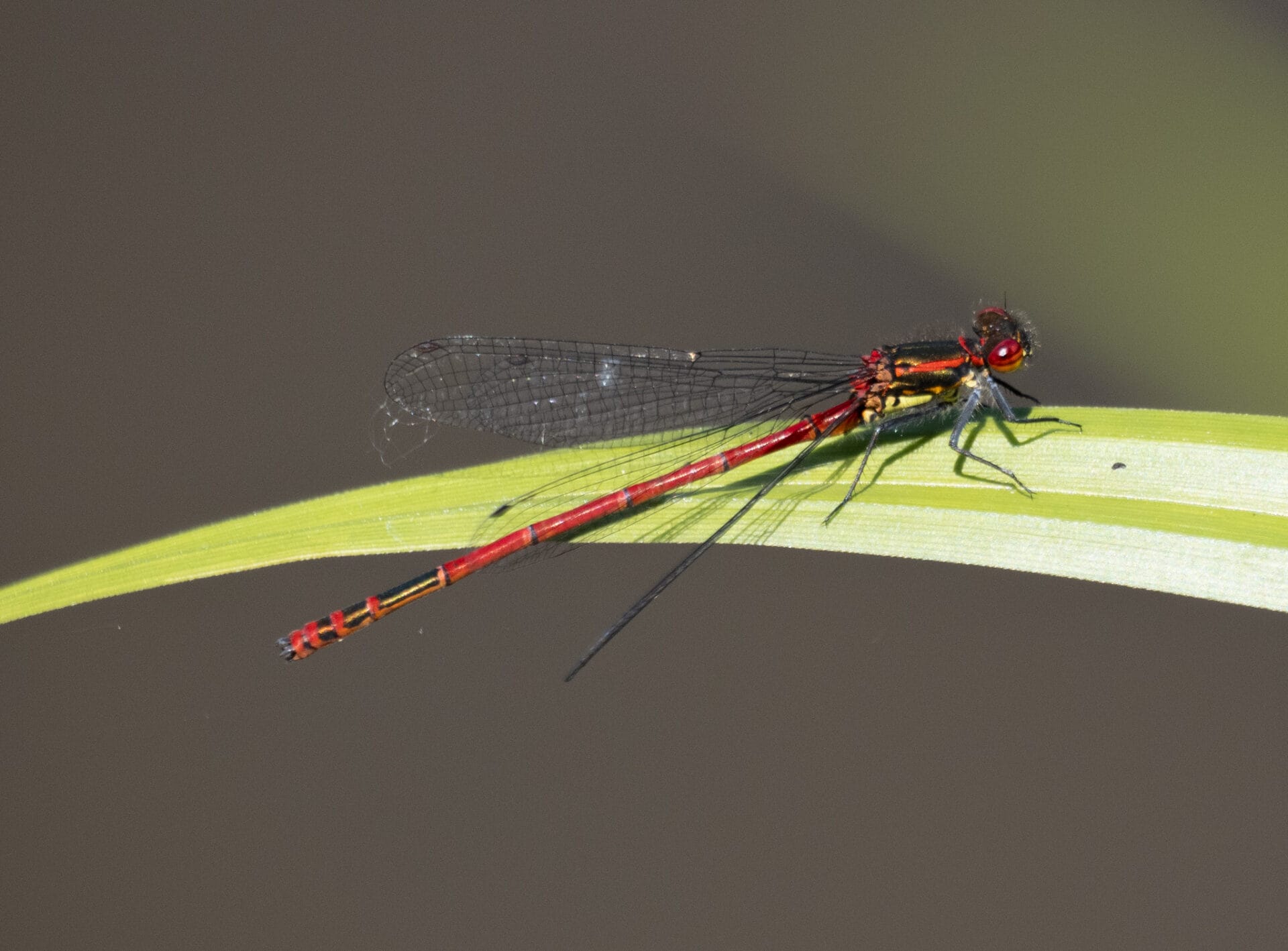
Red Damselfly
‘Pyrrhosoma nymphula’
Famously the first damselfly to emerge in the spring, typically appearing in late April, these insects reside near well-vegetated garden ponds & lakes. Males aggressively defend their territories and feed on small flying insects.
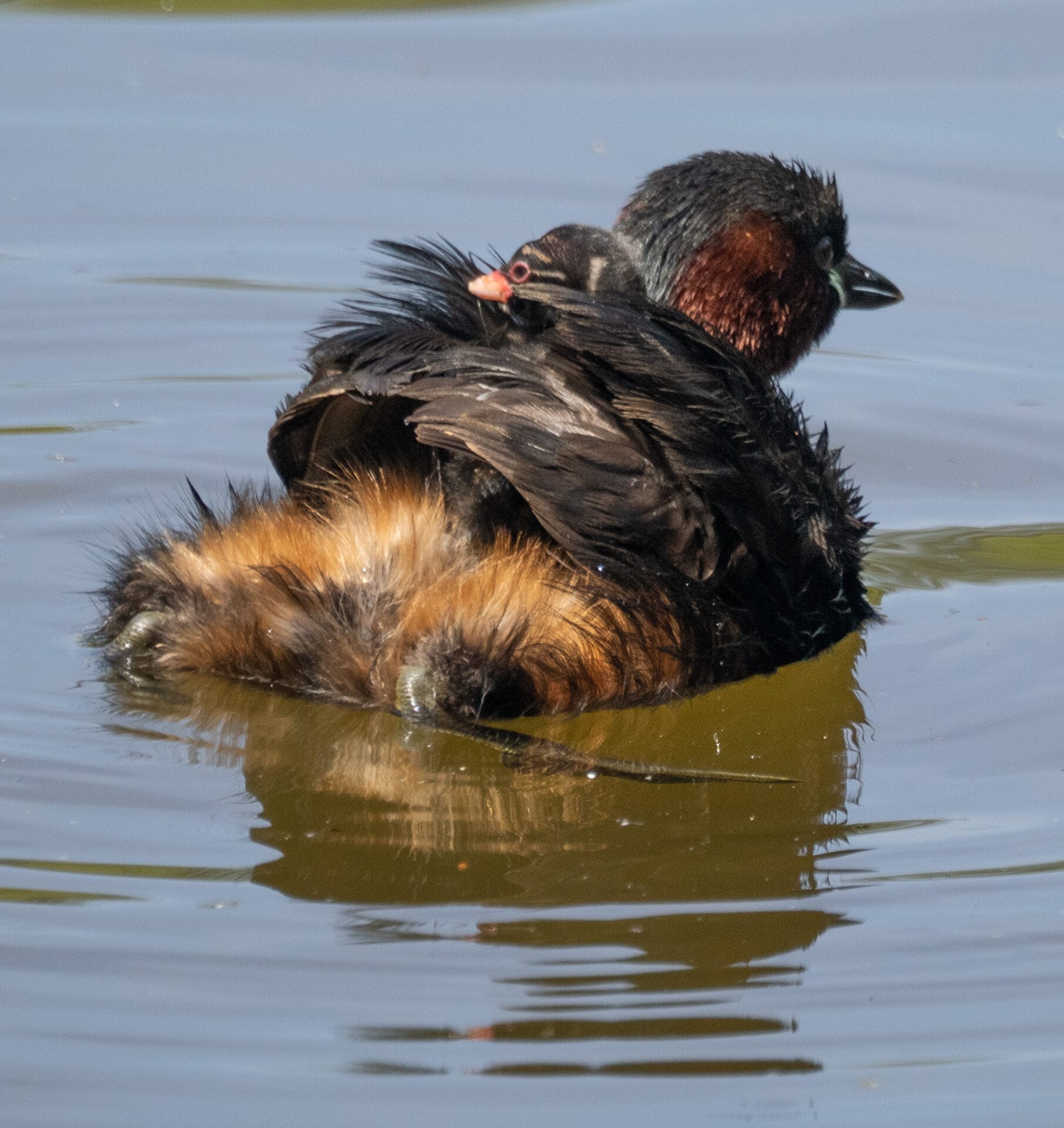
Little grebe
‘Tachybaptus ruficollis’
Europe’s smallest grebe, affectionately known in the UK as a ‘Dabchick’. Little Grebes frequently carry their tiny, striped chicks on their backs as seen in this photo taken at the Darlands Nature Reserve.

Great Cormorant
‘Phalacrocorax carbo’
Large dark waterbird with hooked bill and emerald eye, often seen drying wings on branches. Expert diver, feeding on fish in rivers, lakes, and estuaries.

Grey Heron
‘Ardea cinerea’
Tall elegant wading bird with long dagger-like bill, pale grey plumage and black head stripe. Patient ambush hunter of fish, amphibians, and small mammals.

Buff-tailed Bumblebee
‘Bombus terrestris’
Large robust bumblebee with bright yellow bands and a pale buff tail, common in gardens and woodlands, important pollinator of wildflowers and crops across Britain.

Dunnock
‘Prunella modularis’
A shy woodland bird often overlooked due to its sparrow-like colouring. Dunnocks tend to stay low and hidden in undergrowth, so catching one out in the open like this is a treat.

Mandarin Duck
‘Aix galericulata’
a small, perching waterbird native to East Asia, widely celebrated as one of the most beautiful duck species in the world. Females exhibit subdued brown plumage, while males are famously vibrant.

Pied Wagtails
‘Motacilla alba’
An adult with two juveniles, moving as a loose family unit while hunting insects in open grassland. It’s a lovely snapshot: pied wagtails are quick and restless, making group photos like this surprisingly tricky to capture.
A big thank you to Barbara Kay for providing these images!